
The Last Polish
Cleaning dishes can be a tedious process. Some wash everything by hand, some rely on a dishwasher, some have two dishwashers, and others have help and never need to think about it at all. We do not have help yet—although we have invented an imaginary housekeeper whose name we occasionally call when something needs attention. Curiously, they never answer.
However the dishes are cleaned, a spotless glass or plate is essential to the dining experience.
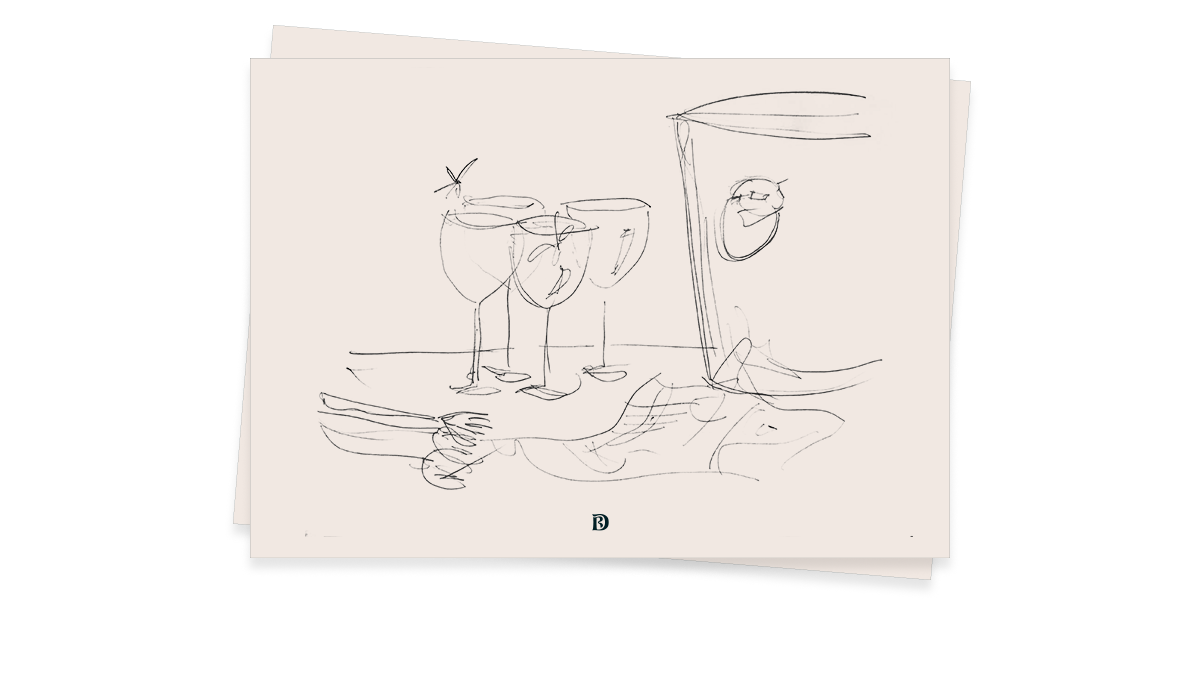
My first job was in a restaurant, where I spent hours behind the bar polishing glassware. The next glass of white wine needed to be presented beautifully and served without a water spot, fingerprint, or trace of lipstick. I refined the process further while working in luxury hospitality at Hotel Vier Jahreszeiten Kempinski Munich, where the smallest details were never considered too small.
As tedious as polishing can be, it now brings me enormous comfort. I do not polish our glasses for everyday use, but when guests are coming, it becomes part of preparing the house. A beautifully set table deserves glassware that catches the light—and allows the wine to be experienced without anything distracting from it.
Ideally, I polish each glass while it is still warm from the dishwasher. More often, I take the glassware from the shelf, prepare a bowl of warm water, briefly dip each glass, and polish it with a clean, dry, lint-free cotton cloth. Hold the glass gently by the bowl rather than twisting the stem, and work until the surface is perfectly clear.
If you want to go one step further, wear white gloves when placing the finished glasses on the table. It prevents the final fingerprints and turns a practical task into something approaching ceremony.
The last polish is not simply about cleanliness. It is a final act of care—the quiet assurance that everything is ready before the first guest arrives and the first bottle is opened. Because hospitality begins long before anyone takes a seat.