


The Place Card
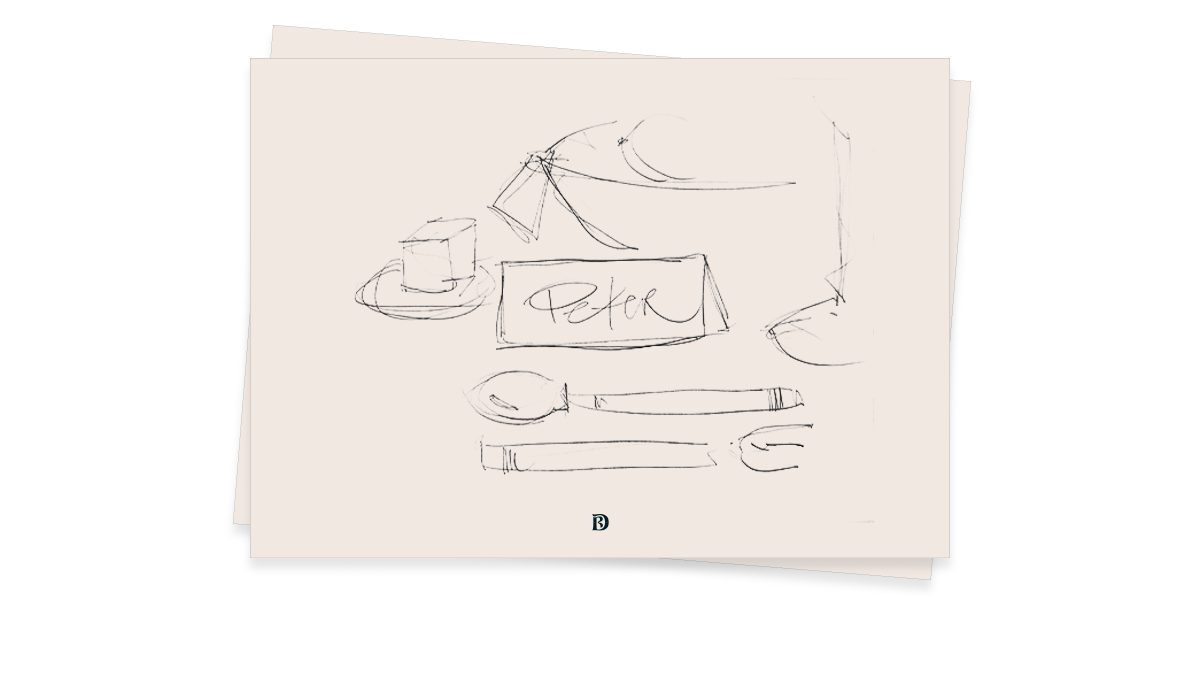
A place card is a small object with an important message: you were expected.
When we invite someone to lunch, dinner, or a presentation, our care for that guest should not end when the invitation is sent. Whether it is a handwritten card at the plate, a seating chart at the entrance, or an escort card leading to the correct table, the purpose is the same. It tells each guest where they belong and allows them to enter the occasion with confidence.
Without that direction, even a beautiful room can become briefly uncomfortable. Where should I sit? Is this seat taken? Am I intruding on a family table? A place card answers those questions before they need to be asked. It allows the guest to settle in and begin enjoying the occasion.
For the host, deciding where everyone sits is its own exercise in hospitality. A thoughtful seating plan considers relationships, personalities, and the possibility of new connections. Who will make one another laugh? Who might have something unexpected in common? Who should be close to the hosts, and who might enliven a quieter corner of the table?
The menu and setting may establish the evening, but the company determines how it will be remembered.
When we host a seated occasion, every guest receives a place. The card may be handwritten or printed, elaborate or made from whatever paper is nearby. Its beauty is not necessarily in its design, but in the intention behind it.
Before the guest arrives, the place card quietly says: we thought about you, we chose a place for you, and we are glad you are here.